
Chinese New Year: The most important Holiday in China
John Core, Sodexo Culinary Nutrition Lead
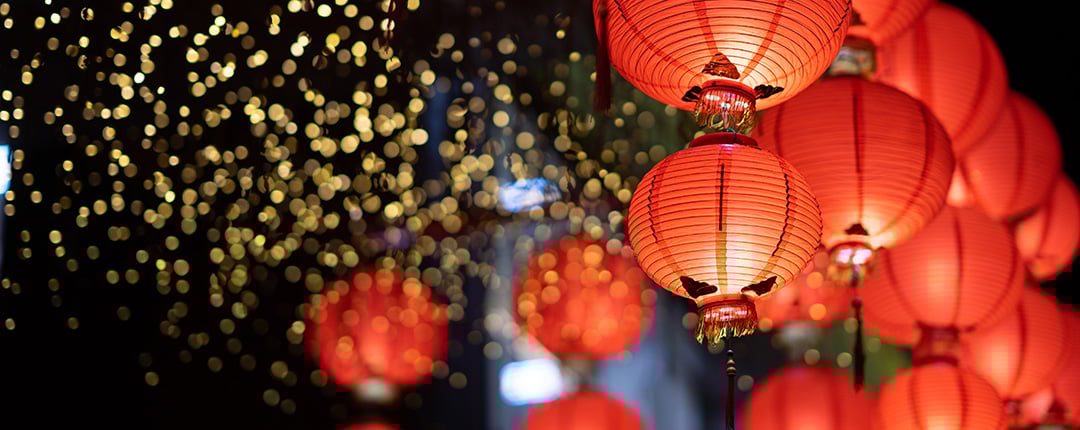
Chinese New Year, also known as the Lunar New Year or Spring Festival, stands as one of the most significant celebrations in Chinese culture, marking the beginning of a new lunar calendar year. This festive period symbolises fresh starts, the renewal of life, and the arrival of spring after the long winter months.
Embracing Chinese Cuisine
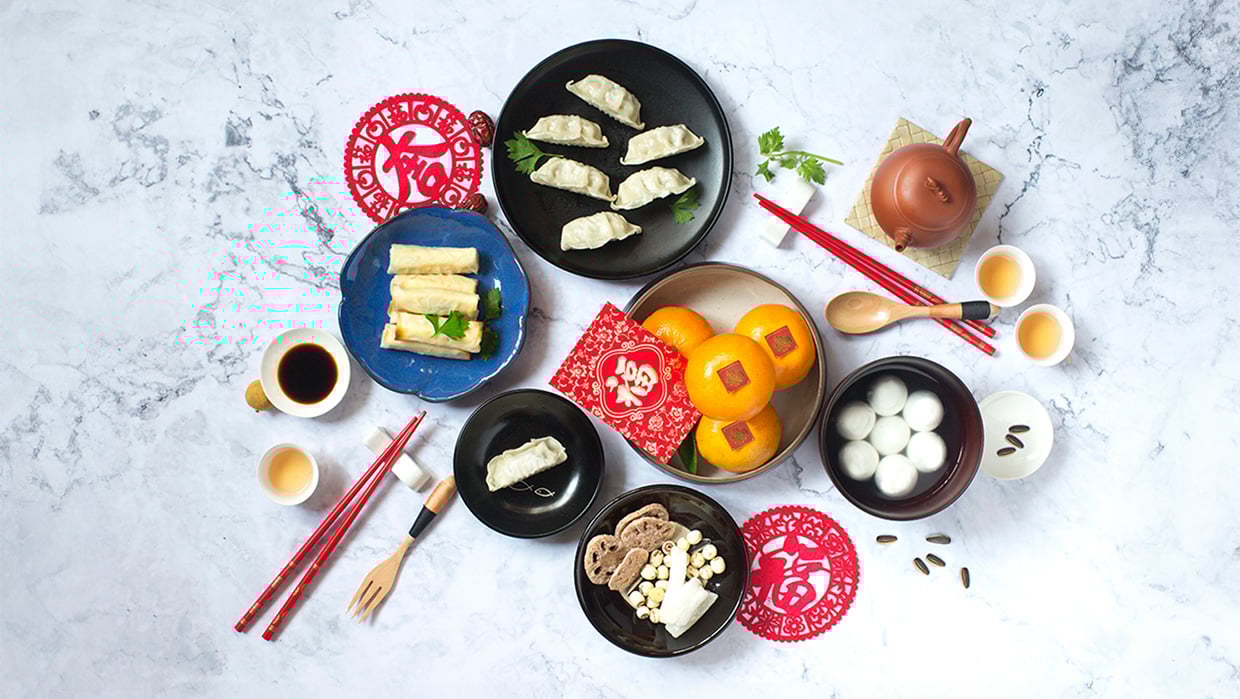
Steeped in rich tradition, Chinese New Year revolves around family reunions and shared meals, where food plays a central role in expressing wishes for good fortune, health, and prosperity in the year ahead. Celebrations typically span 15 days, culminating in the vibrant Lantern Festival.
Chinese cuisine, in turn, is one of the oldest, most diverse, and culturally significant culinary traditions in the world. Its origins stretch back over 4,000 years, evolving in tandem with China's rich history and expansive geography. Central to Chinese cooking is the philosophy of balance, not only in terms of flavour but also in the nutritional composition of dishes. This culinary tradition reflects a deep understanding of health and wellness, combining ingredients in ways that harmonise hot and cold, sweet and salty, or sour and bitter components.
The philosophy underpinning Chinese cuisine is deeply rooted in traditional Chinese medicine and reflects the principles of balance. Central to this is the concept of yin and yang, which extends to the choice of ingredients and their combinations in dishes. For instance, yin foods, which are cooling, such as cucumber and tofu, are balanced with yang foods, which are warming, like ginger and garlic, to promote harmony and well-being. Chinese chefs also strive for a balance of the five basic tastes — Sweet, sour, bitter, salty, and umami — in every meal, ensuring that no single flavour dominates the others.
Embracing Chinese Cuisine
Steeped in rich tradition, Chinese New Year revolves around family reunions and shared meals, where food plays a central role in expressing wishes for good fortune, health, and prosperity in the year ahead. Celebrations typically span 15 days, culminating in the vibrant Lantern Festival.
Chinese cuisine, in turn, is one of the oldest, most diverse, and culturally significant culinary traditions in the world. Its origins stretch back over 4,000 years, evolving in tandem with China's rich history and expansive geography. Central to Chinese cooking is the philosophy of balance, not only in terms of flavour but also in the nutritional composition of dishes. This culinary tradition reflects a deep understanding of health and wellness, combining ingredients in ways that harmonise hot and cold, sweet and salty, or sour and bitter components.
The philosophy underpinning Chinese cuisine is deeply rooted in traditional Chinese medicine and reflects the principles of balance. Central to this is the concept of yin and yang, which extends to the choice of ingredients and their combinations in dishes. For instance, yin foods, which are cooling, such as cucumber and tofu, are balanced with yang foods, which are warming, like ginger and garlic, to promote harmony and well-being. Chinese chefs also strive for a balance of the five basic tastes — Sweet, sour, bitter, salty, and umami — in every meal, ensuring that no single flavour dominates the others.
Loading component...
Celebrating Chinese New Year with Healthy Recipes
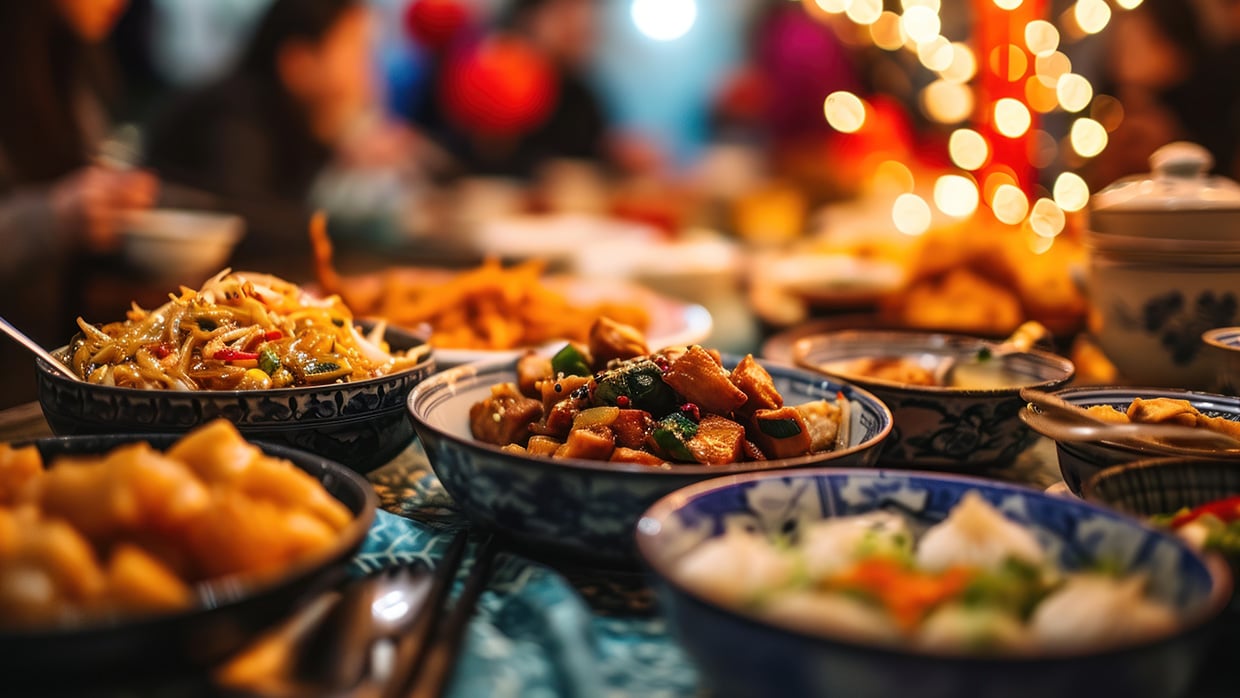
How to incorporate the principles of Chinese cuisine into healthier versions of festive dishes:
- Steamed fish with ginger and scallions (symbolising prosperity and longevity).
- Stir-fried mixed vegetables with tofu (a colourful dish symbolising harmony).
- Brown rice dumplings filled with mushrooms and bok choy for a nutrient-dense twist.
- Herbal teas infused with goji berries and chrysanthemum for antioxidant benefits.