Sodexo’s commitment to sustainable packaging through Covid-19
As businesses fight to support the welfare of their employees through Covid-19, CEO’s have had to reconsider their priorities. Yet, for Sodexo, sustainability remains at the top of our boardroom agenda.
A survey conducted by research firm FMCG Gurus found that 55% of global consumers are “more concerned” about the environment than they were before the pandemic.
The post-Covid world is unclear, but it’s our aim to not let the sustainability agenda slip. We’re still working towards our internal target of 70% of site waste to be reused and recycled by 2020, rising to 90% by 2025.
Better Tomorrow 2025 is focused on reducing our impact on the environment through minimising single-use packaging waste.
It is a comprehensive and sustainable approach that combines our experience in a complete range of services with our ability to build effective partnerships with our clients. As these clients adjust and adapt to their new normal, it is helping them keep the focus on the environment their employees and customers have come to expect.
Furthermore, we’ve introduced Rise with Sodexo which is a new programme designed to help our clients prepare for imminent changes in operations. Launched in response to the pandemic, it complements various existing initiatives, including our sustainability roadmap.
Progress on the Better Tomorrow 2025 roadmap
Sodexo has already put a number of steps in place to accelerate the Better Tomorrow 2025 roadmap and combat single-use plastic waste.
Plastic straws and stirrers have been banned, resulting in over 3.6 million plastic items being removed from our operations and saved from disposal. Polystyrene foodservice packaging has been removed and replaced where alternatives exist. And single-use plastic bags have been replaced with paper and reusable substitutes, preventing 250,000 from entering circulation.
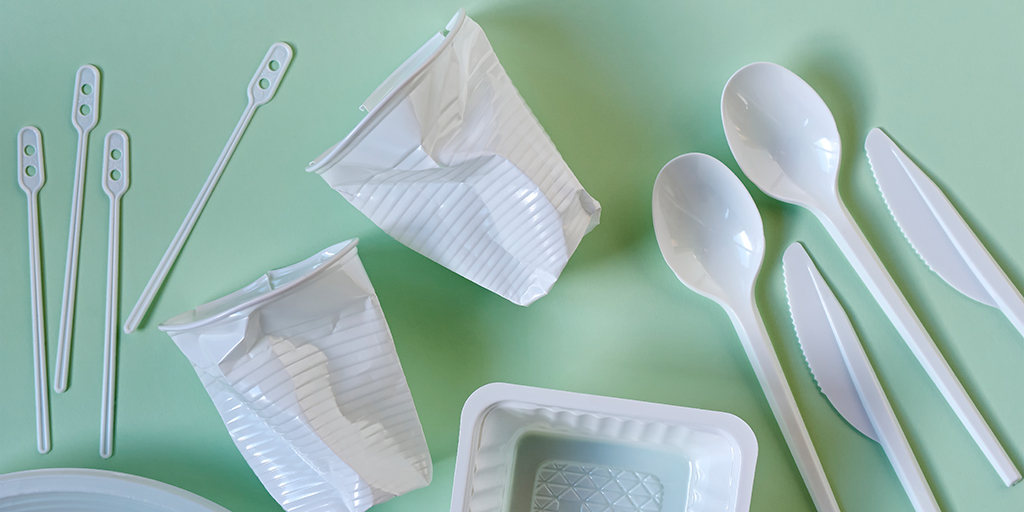
However, there has been a surge in demand for on-the-go food and retail services during the crisis as people are relying on single-use packaging more often.
This is an important consideration for Sodexo. There are immediate challenges to overcome to ensure work environments are safe and hygienic, but we have included environmental factors in our decision-making process.
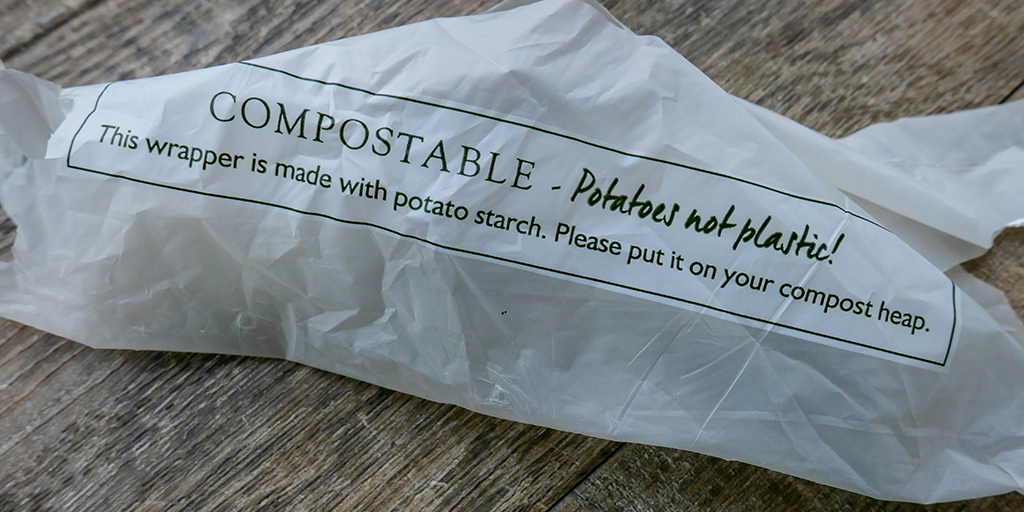
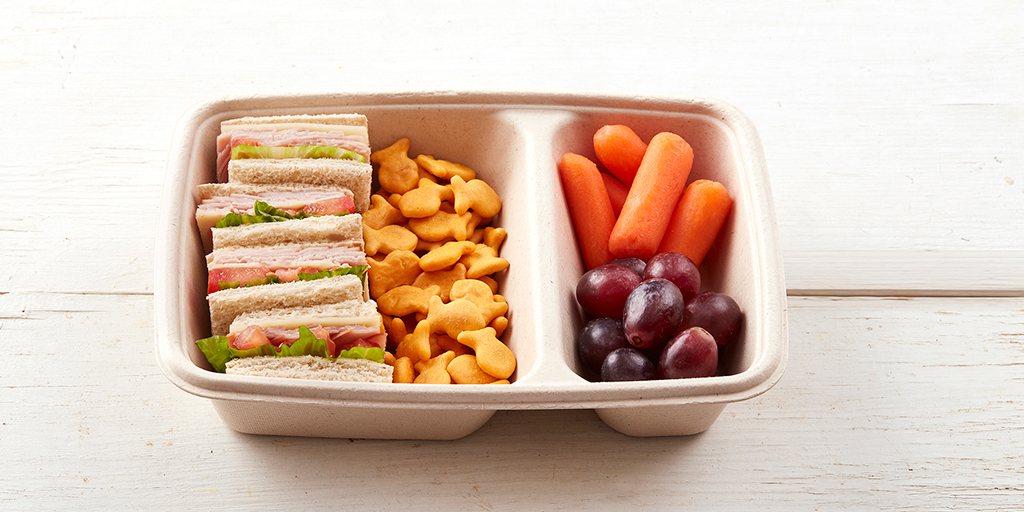
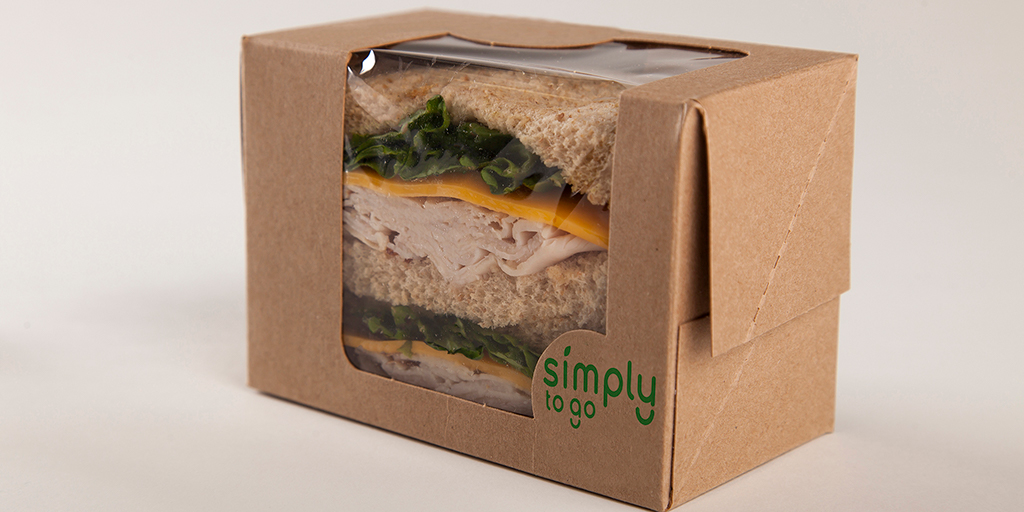
For example, we’ve overcome one of our main challenges of waste separation by introducing fibre-based products made from sustainable sources, and when not contaminated with food, can be easily recycled and do not require specialist disposal streams on our sites.
"We work closely with our sites to ensure that they set up a suitable packaging solution. We offer a range of disposable products to ensure we align with our clients’ requirements and their internal targets."
In Ireland, Sodexo was the first food and services provider to be accepted into the Bord Bia Origin Green initiative, the only sustainability programme in the world that operates on a national scale.
We achieved this verification by committing to four key areas of sustainability: sourcing practices, reducing operational waste, health and nutrition, and corporate social responsibility.
Single-use disposables hierarchy
The single-use disposables hierarchy clearly lays out how employees can support the roadmap through their own waste management.
Prevent: Prevention comes first. It’s our favoured sustainable option and we’ve already cut many single-use plastics from our sites. Other disposable items such as napkins and paper straws are available by request only
Reuse: Reusables are the next best choice. They avoid the need for new items to be added into the waste stream.
Reusables come in two forms: customer and Sodexo-owned items. Customer-owned items including coffee cups and food containers are currently restricted, due to possible transmission of Covid-19.
Recycle: Sites will see an increase in disposable packaging to help prevent the spread of the virus. Environmentally-friendly options such as fibre-based packaging or plant-based materials will be considered where possible.