Cook for Change
Sometimes the most interesting ideas start with the most ordinary things.
For Gordon Carberry, it was a parsnip. Not an exotic ingredient, not a cutting-edge technique - just a humble root vegetable that most of us have seen roasted on a Sunday dinner table. But Gordon had a question that changed everything: what more could we do with this?
That question became the seed of his Cook for Change journey. And what grew from it was far more than a winning dish.
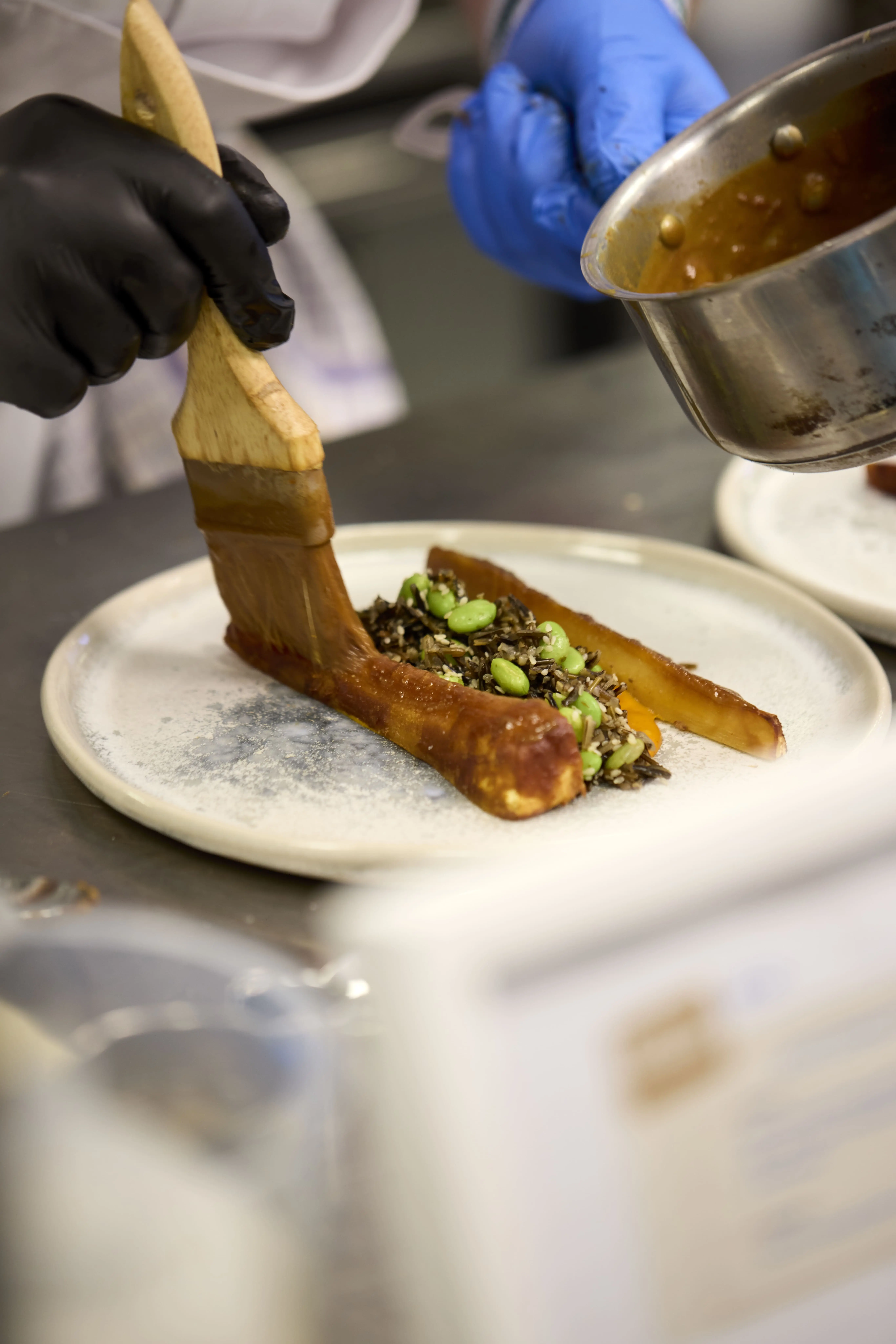
Gordon didn't set out to reinvent the wheel. He'd been toying with a few ideas - potatoes were briefly in the running - before settling on the parsnip.
"I just wanted to take a normal, humble ingredient, something that I've eaten my entire life, and see what we could do with it."
What followed was hours of testing, refining, and rethinking - including long phone calls with his mentor Niall that were supposed to be ten minutes and ended up an hour and a half, Gordon sitting outside in the car while his wife waited patiently inside.
"It just literally grew legs."
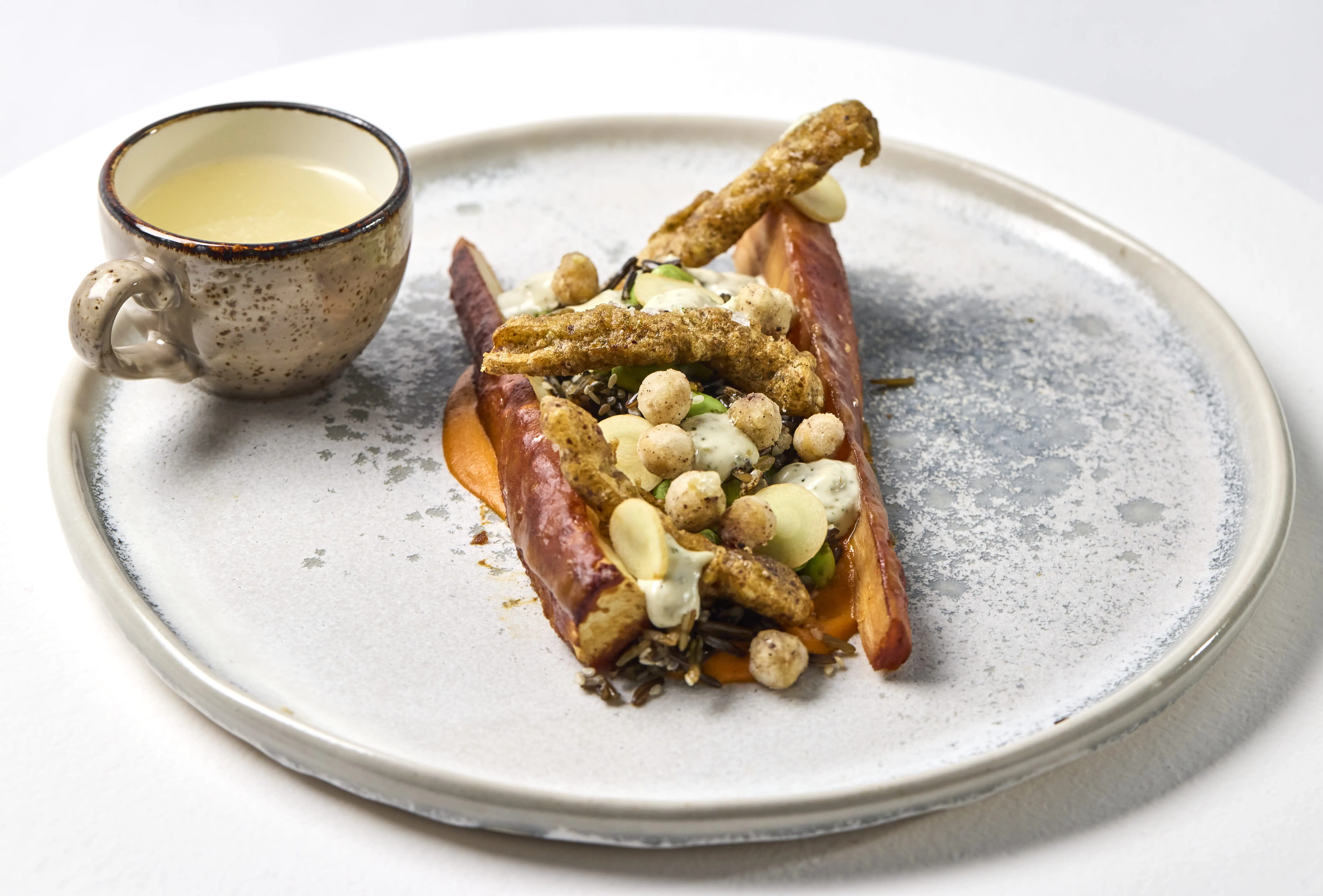
But it wasn't just about elevating a familiar ingredient. Gordon wanted to use all of it. That meant tracking down parsnip tops from a farmer - the leafy green parts that are typically cut off and thrown away before the vegetable ever reaches a kitchen.
"I was using parts of the ingredient that you can't even buy. They're cut down and wasted. They don't even send them."
Skin, root, stalks, tops - everything made it onto the plate. And that philosophy cuts to the heart of what Gordon took away from the whole experience.
"There's no such thing as waste. Everything is edible - it's just how we approach it."
The gap between the first version of the dish and the one that made it to competition day was, in Gordon's words, worlds apart. What he originally threw together in about fifteen or twenty minutes eventually pushed him to the hour-and-a-half mark to plate two dishes properly.
And on the day itself, even with all that preparation, things didn't go entirely smoothly. The ovens were brand new - nothing like the ones he'd been practicing on, which had their own quirks and hot spots worked out over years of daily use. And then there was the caramel.
"My mind just went blank. I forgot how to make caramel."
He had to start it three times before he got it right. A squeaky moment, as he puts it - but it came good when it mattered. What kept him going? Partly his own deeply competitive streak ("I'm a horribly competitive person when I get going"), but mostly something a little less self-centred.
You don't want to let yourself down. You don't want to let the people down who put time into tasting your dish, training with you. You just don't want to do something stupid in front of people who believed in you. That's what kind of goes - get yourself together.
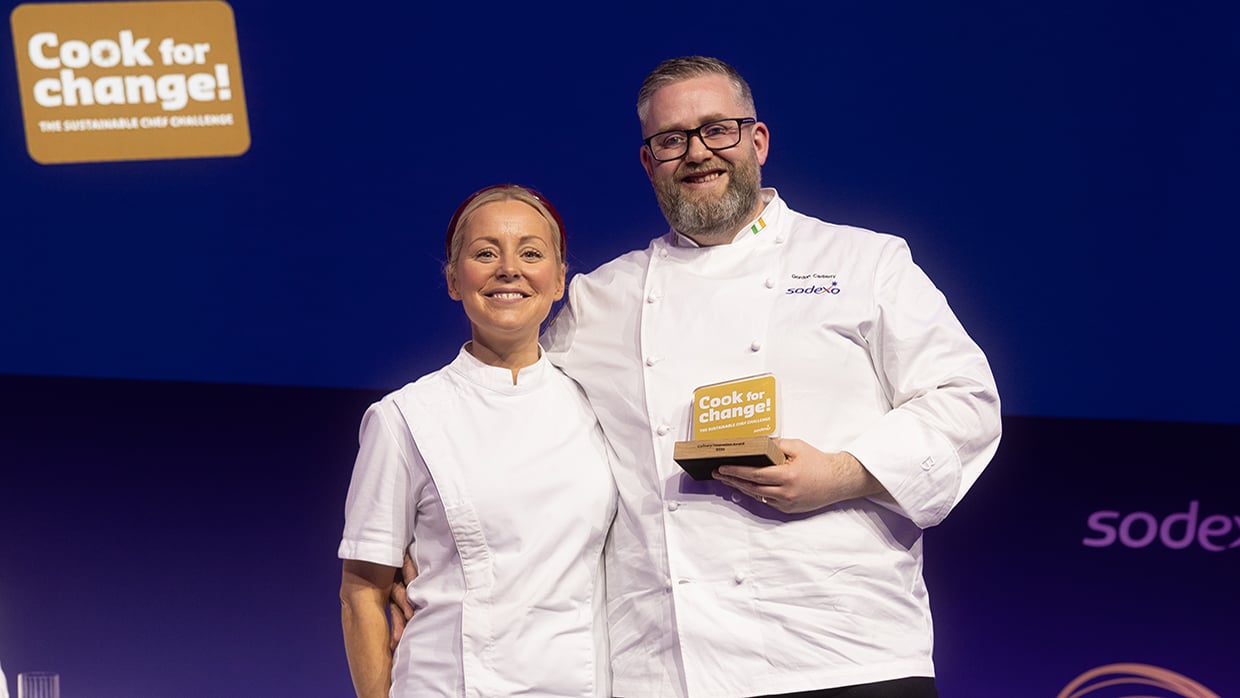
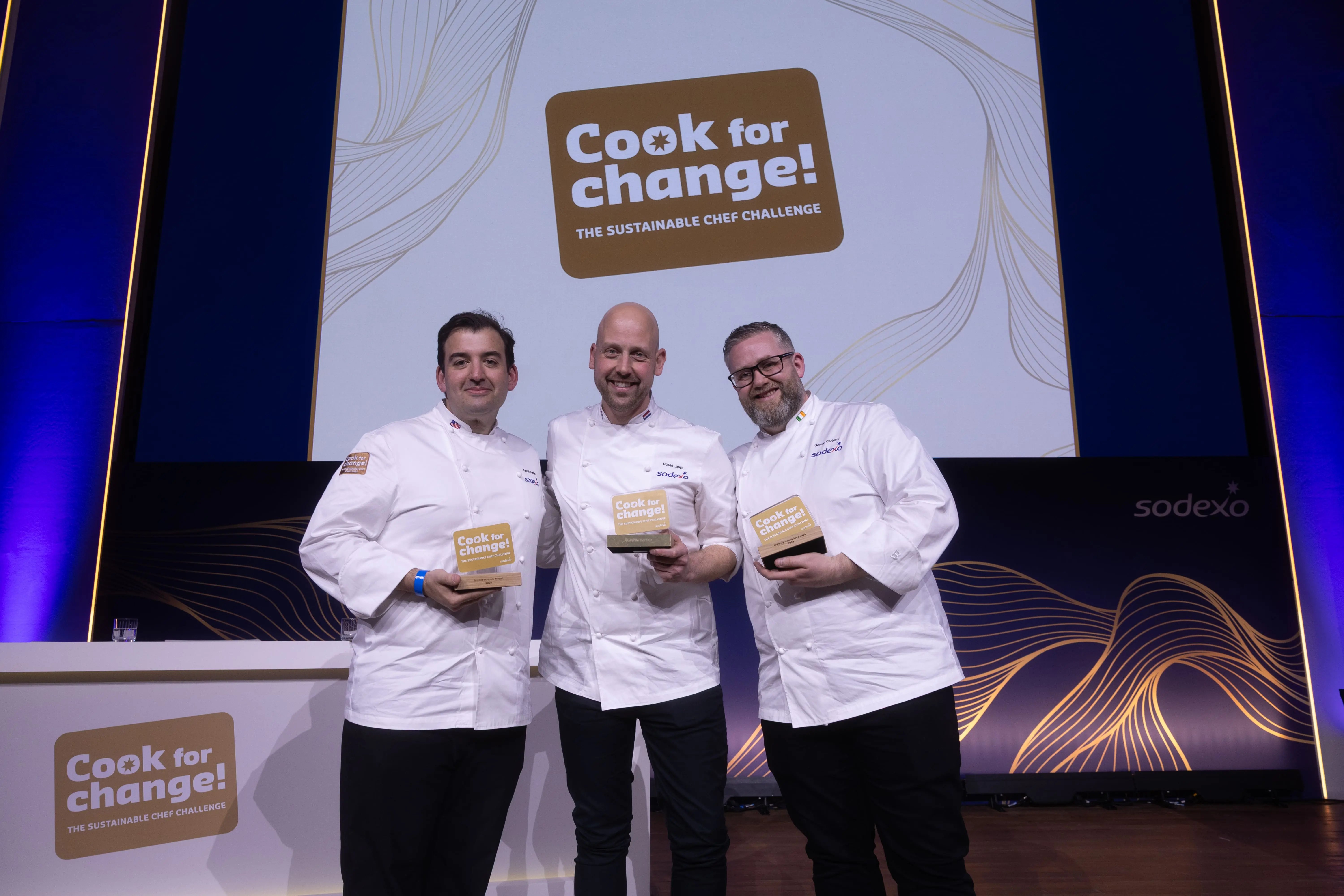
When the awards moment came, Gordon nearly didn't realise it was happening.
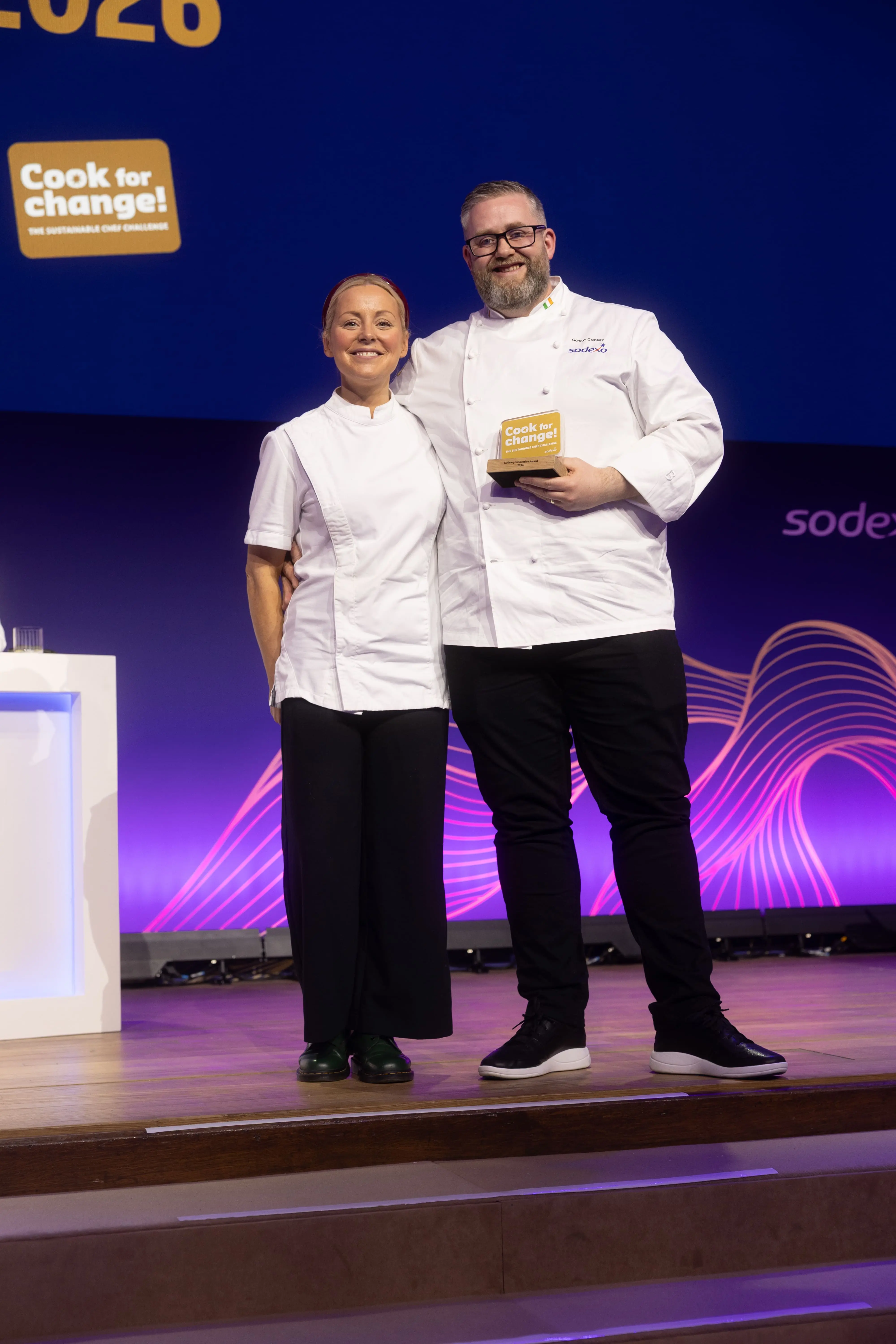
As chef Anna Haugh began describing the winning innovation dish, he assumed she was talking about someone else entirely. It took a beat - and then another - before it clicked that she meant his parsnip dish.
"When she was describing it, I thought she was talking about somebody else. You spend so much time on a dish that sometimes all you can see are the flaws in it. You can't actually see the bigger picture."
Hearing that kind of feedback from a chef of Anna's calibre shifted that perspective fast.
"To hear words like that being spoken about your dish…I was buzzing."
He'd find out later just how close it had been. When he sat down with the judges afterwards to get feedback, he was told the room had spent an hour debating the result, and that it had come down to just three points between him and the runner-up.
Gordon is quick to credit the people who made it possible - starting, with characteristic honesty, with his wife.
"She's the one who has to put up with me ripping the kitchen apart practising. She had to sit down and taste it every single time. She's the one who has to put up with me doing this over all these years."
Then there's Audrey, his long-time mentor and, as Gordon puts it, the reason he's a chef at all. It was Audrey who got him into kitchens, pushed him towards college, and first pointed him in the direction of competitions.
"She's always been my little cheerleader. It's her fault I am the way I am."
And Niall, whose calm, methodical way of thinking complemented Gordon's more instinctive approach perfectly.
"He thinks more methodically than I probably would - and it's nice to have different people to bounce off."
For Gordon, the innovation award meant more than personal recognition. It validated a way of thinking he believes the whole industry needs to embrace.
"It's just the little things that make a difference. Your peelings, your scraps - why is that waste? Why are you looking at that as if it can't be used?"
And he's clear about who has to lead that change.
"It's the chefs' responsibility, because we're the ones using the produce every day. We have to lead from the front. If we can show - look, this is what you can actually do - there's nothing stopping anyone from doing it."
For anyone sitting on the fence about entering a competition or trying something new, his message is simple.
"Just do it. It's intimidating, it's scary - all of the above. But at the end of the day, we cook every day. All you're doing is going in there and cooking."
Innovation, it turns out, doesn't always look like something brand new. Sometimes it looks like a parsnip - seen, for the very first time, in a completely different way. Even if you do mess up the caramel a few times along the way.