
How to improve Heart Health on Valentine's day
John Core, Sodexo Culinary Nutrition Lead
Valentine’s Day is a time to celebrate love and the connections that make life meaningful. Our hearts are not just symbols on a Valentines Day card; they are the engines of our wellbeing, tirelessly supporting us every day. By making thoughtful choices about the foods we eat, we can nurture our hearts and keep them strong—not just for ourselves, but for the people we love. This Valentine’s, embrace heart health ensuring we can share life’s special moments for years to come.
Fats
Fats often get a bad reputation, but not all fats are the same. Understanding the difference is key to maintaining heart health. Fats provide essential energy, help your body absorb vitamins, and support overall wellbeing. However, the type of fat you consume can significantly impact cardiovascular health.
Healthy vs. Unhealthy Fats
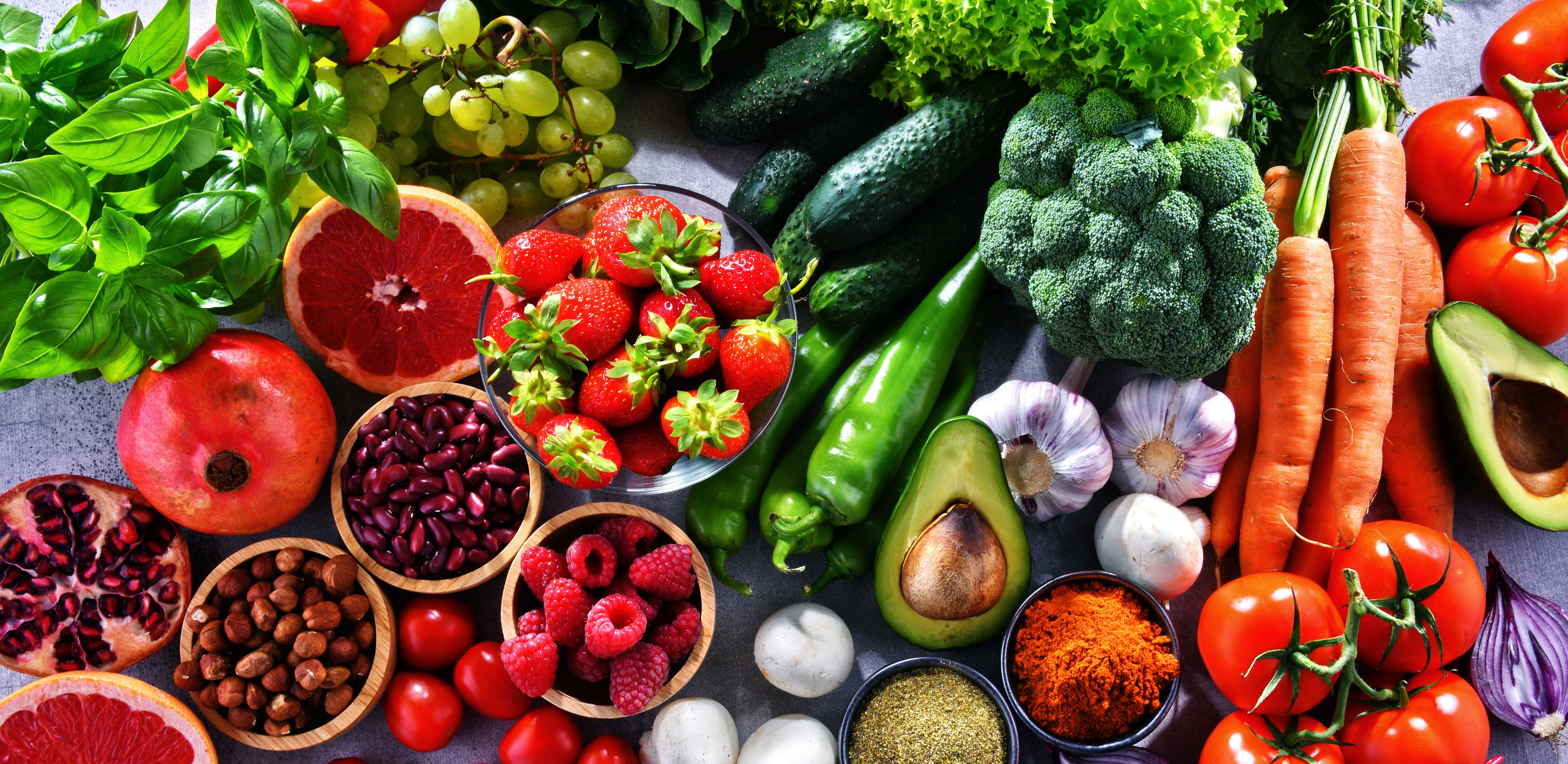
Healthy fats, particularly unsaturated fats, are beneficial for heart health. They help lower bad cholesterol (LDL), reduce inflammation, and promote overall cardiovascular wellbeing. Great sources include:
- Olive oil – A Mediterranean diet staple rich in monounsaturated fats.
- Avocados – Packed with heart-healthy monounsaturated fats.
- Nuts & Seeds – Almonds, walnuts, flaxseeds, and chia seeds provide essential nutrients.
- Fatty Fish – Salmon, mackerel, and sardines are excellent sources of omega-3 fatty acids.
On the other hand, unhealthy fats—saturated and trans fats—pose risks to heart health. Saturated fats, found in processed meats, full-fat dairy, and baked goods, can raise LDL cholesterol levels. Trans fats, often found in processed and fried foods, are even more harmful, as they increase LDL while lowering good cholesterol (HDL).
Simple Swaps for Heart Health
- Replace butter or lard with olive or rapeseed oil.
- Snack on nuts or avocado instead of processed crisps.
- Add ground flaxseeds or chia seeds to recipes.
Fibre for Heart Health
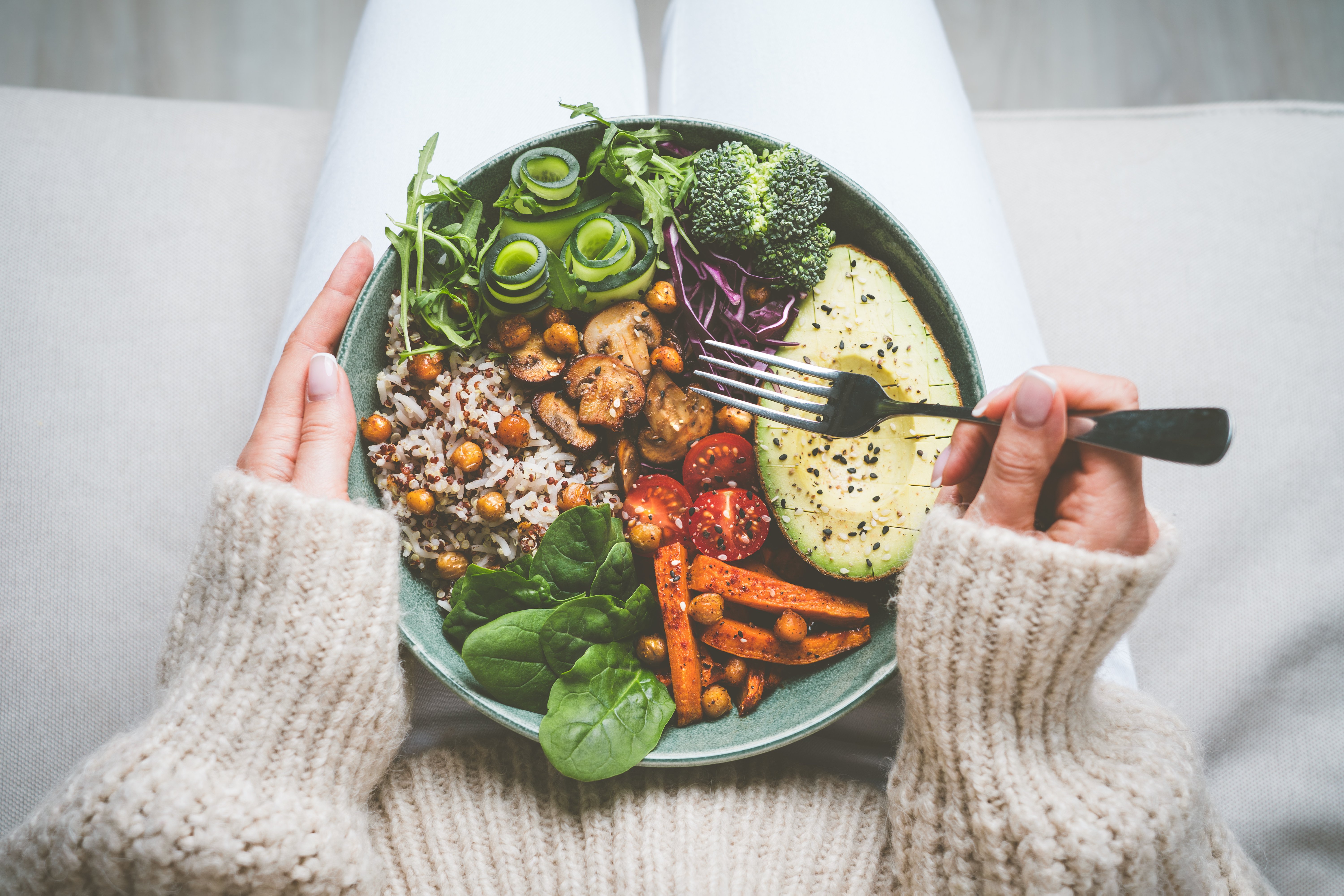
Fibre plays a crucial role in lowering cholesterol and supporting cardiovascular function. Soluble fibre dissolves in water to form a gel-like substance that binds to cholesterol, reducing its absorption into the bloodstream.
Top Fibre-Rich Foods
- Oats & Barley – High in beta-glucan, known for cholesterol-lowering effects.
- Legumes – Lentils, chickpeas, and black beans provide fibre and plant-based protein.
- Fruits & Vegetables – Apples, citrus fruits, carrots, and sweet potatoes boost soluble fibre intake.
- Whole Grains – Whole wheat, quinoa, and brown rice contain fibre, antioxidants, and heart-supporting phytochemicals.
Aim for at least 30 grams of fibre daily by incorporating whole grains, legumes, and fibre-rich fruits and vegetables into your meals.

Salt and Sodium Management
Excess sodium contributes to high blood pressure, a significant risk factor for heart disease and stroke. Most sodium intake comes from processed foods, packaged meals, and restaurant dishes.
Reducing Sodium Intake
- Cook from Scratch – Control salt levels and flavour meals naturally with garlic, ginger, turmeric, lemon juice, and vinegar.
- Check Food Labels – Opt for products marked "low-sodium," "reduced-sodium," or "no salt added."
- Choose Fresh Ingredients – Use fresh or frozen produce instead of tinned goods, or rinse tinned foods before use.
Small adjustments in sodium intake can significantly benefit heart health.