


Find out about the health benefits of chocolate.

John Core, Sodexo Culinary Nutrition Lead
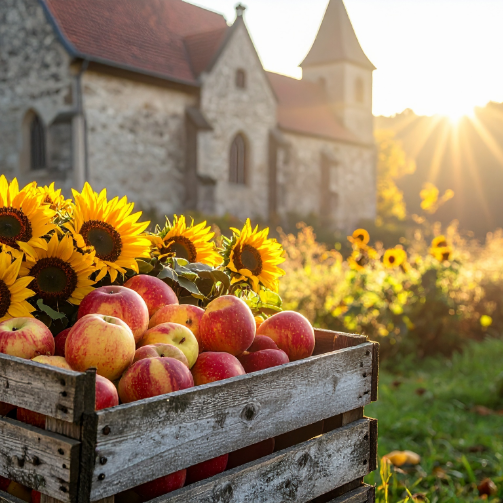
What unites all three was the shared understanding that food was no longer simply a matter of pleasure but of protection against scarcity. The abundance of autumn—roots pulled from the soil, grains gathered from the field, fruit shaken from the trees—had to be managed carefully. Preservation became as important as the harvest itself, with salting, drying, and fermenting ensuring survival through the months when the land fell quiet. This seasonal transition shaped not only diets but also attitudes towards food, reminding communities of the need for balance between feast and foresight.
Find out about traditional autumnal celebrations during which food was gathered ahead of months of scarcity, how different foods were stored to survive the cold winter months, and how nutrition, whether understood or not, played an important role.
You may be interested in...
Our Social Impact
Services for you
Servings: 4
Preparation Time: 20 minutes
Cooking Time: 1 hour
Ingredients:
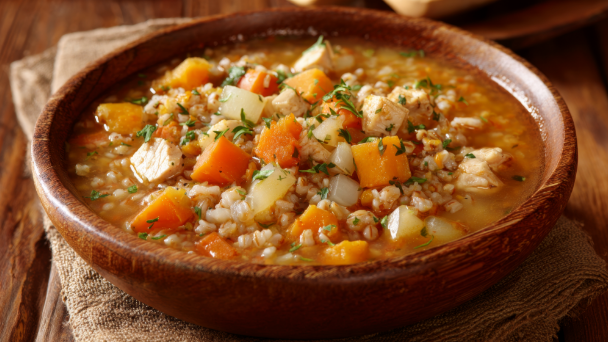
2 tbsp olive oil
1 large onion, diced
2 medium carrots, diced
2 medium parsnips, diced
1 small swede, diced
2 medium potatoes, diced
2 cloves garlic, crushed
120 g pearl barley
150 g dried broad beans, soaked overnight
1.2 litres vegetable stock
3 sprigs thyme
1 bay leaf
2 tbsp flat-leaf parsley, chopped
Salt and pepper to taste
Method:
Heat the olive oil in a large pot and soften the onion. Add the carrots, parsnips, swede, potatoes, and garlic and stir well. Mix in the pearl barley and soaked broad beans before pouring in the stock. Add the thyme and bay leaf, then bring to the boil. Reduce the heat and simmer gently for 50–60 minutes, stirring occasionally, until the vegetables and barley are tender. Season with salt and pepper and finish with parsley before serving.
Tip:
A splash of cider vinegar at the end lifts the flavour and balances the natural sweetness of the roots.
Servings: 4
Preparation Time: 15 minutes
Cooking Time: 30 minutes
Ingredients:
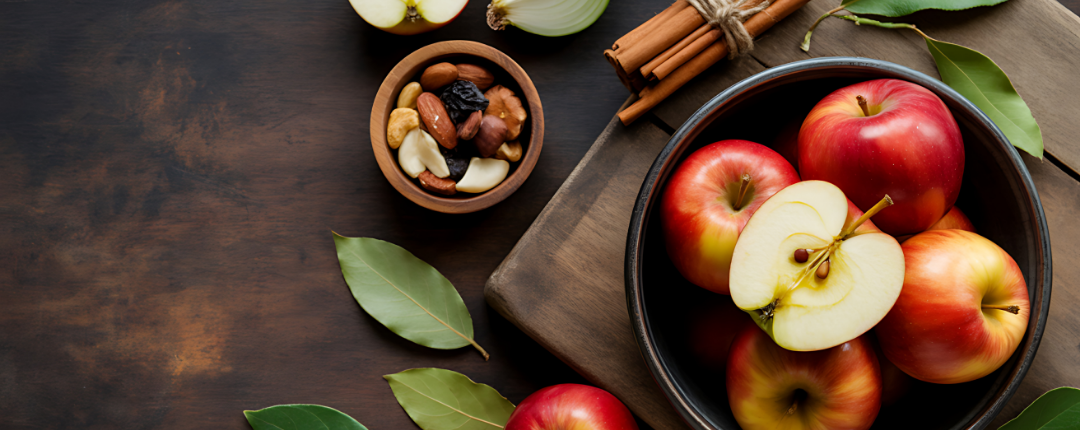
4 large eating apples
60 g hazelnuts, toasted and chopped
50 g porridge oats
40 g raisins
3 tbsp honey
30 g butter, melted
1 tsp ground cinnamon
½ tsp ground nutmeg
1 tbsp lemon juice
Method:
Preheat the oven to 180°C. Core the apples and score around the middle to stop them splitting. Mix the hazelnuts, oats, raisins, honey, butter, cinnamon, and nutmeg to form a coarse filling. Stuff each apple with the mixture and place upright in a baking dish. Drizzle with lemon juice and a little extra honey, then pour a splash of water into the dish. Bake for 25–30 minutes until the apples are soft but still hold their shape. Serve hot with natural yoghurt or cream.
Tip:
Leftover baked apples can be chopped into porridge for a quick breakfast.
Servings: 4
Preparation Time: 20 minutes
Cooking Time: 40 minutes
Ingredients:
1 medium green or Savoy cabbage
40 g butter
40 g plain flour
400 ml whole milk
100 g mature cheddar, grated
40 g hard cheese such as Parmesan, grated
1 tsp wholegrain mustard
50 g breadcrumbs
Pinch of grated nutmeg
Salt and pepper to taste
Method:
Preheat the oven to 190°C. Bring a pot of salted water to the boil and blanch the cabbage leaves for 2–3 minutes, then drain well. Melt the butter in a pan, stir in the flour, and cook gently for 2 minutes to form a roux. Gradually whisk in the milk and simmer until thickened. Stir in the mustard, nutmeg, and three-quarters of the cheddar, seasoning to taste. Arrange the cabbage in a buttered baking dish, pour over the sauce, and top with breadcrumbs, the remaining cheddar, and Parmesan. Bake for 30–35 minutes until golden and bubbling.
Tip:
Add a layer of cooked lentils or sliced potatoes between the cabbage for extra substance and nutrition.